V. Kikilias in Tokyo: “Deepening Greece–Japan maritime cooperation, with a focus on ports, shipyards and maritime safety”
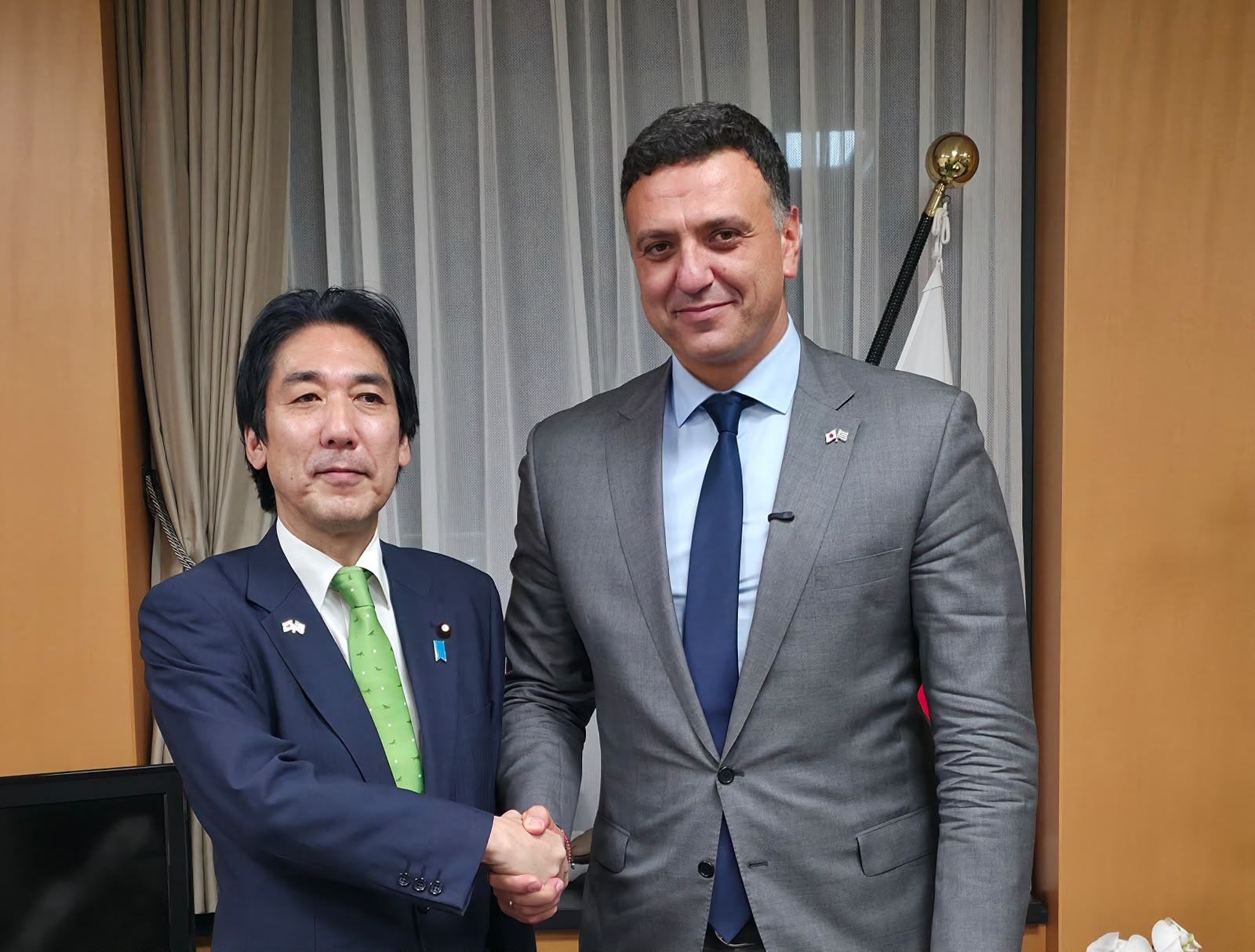
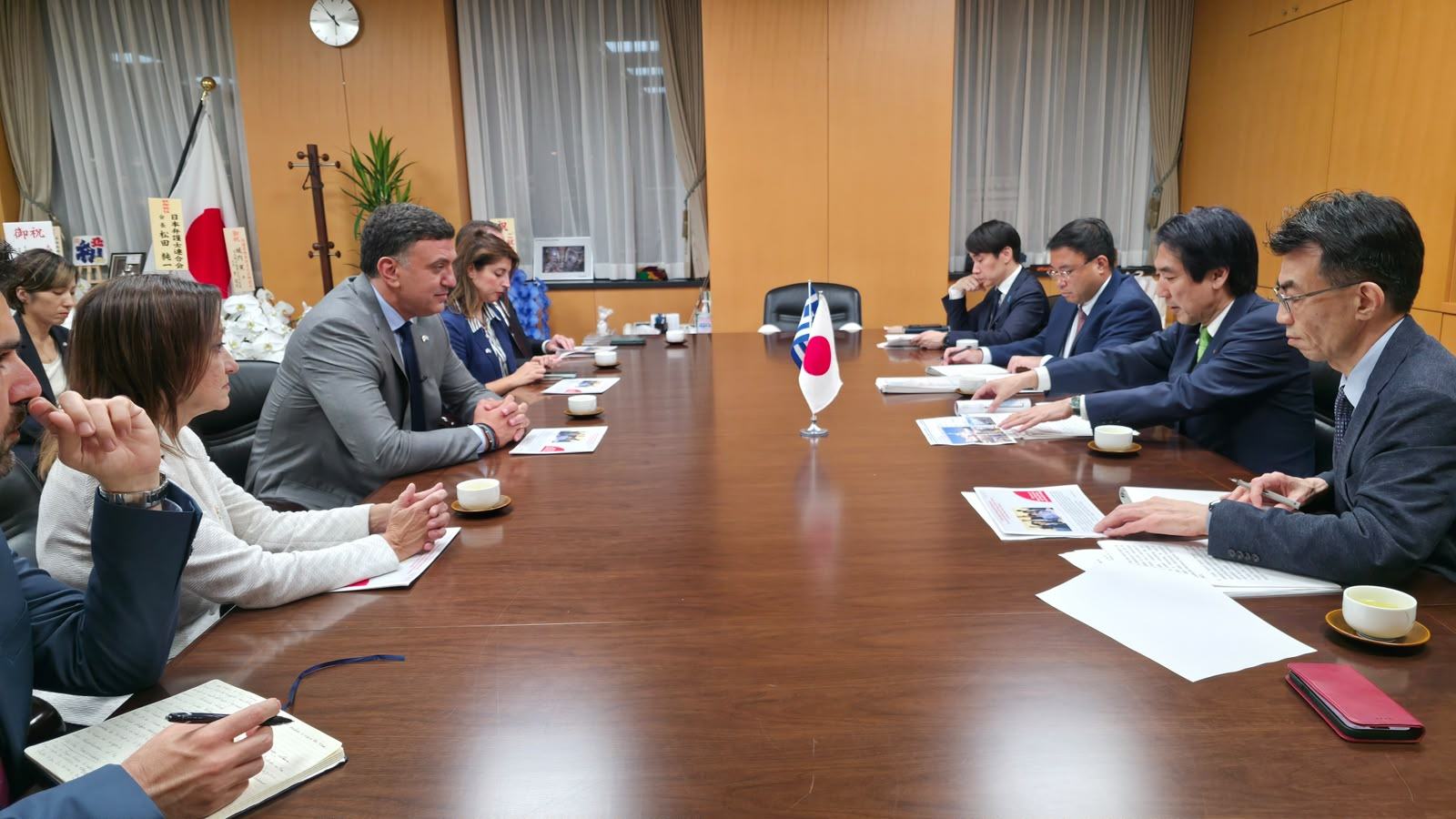
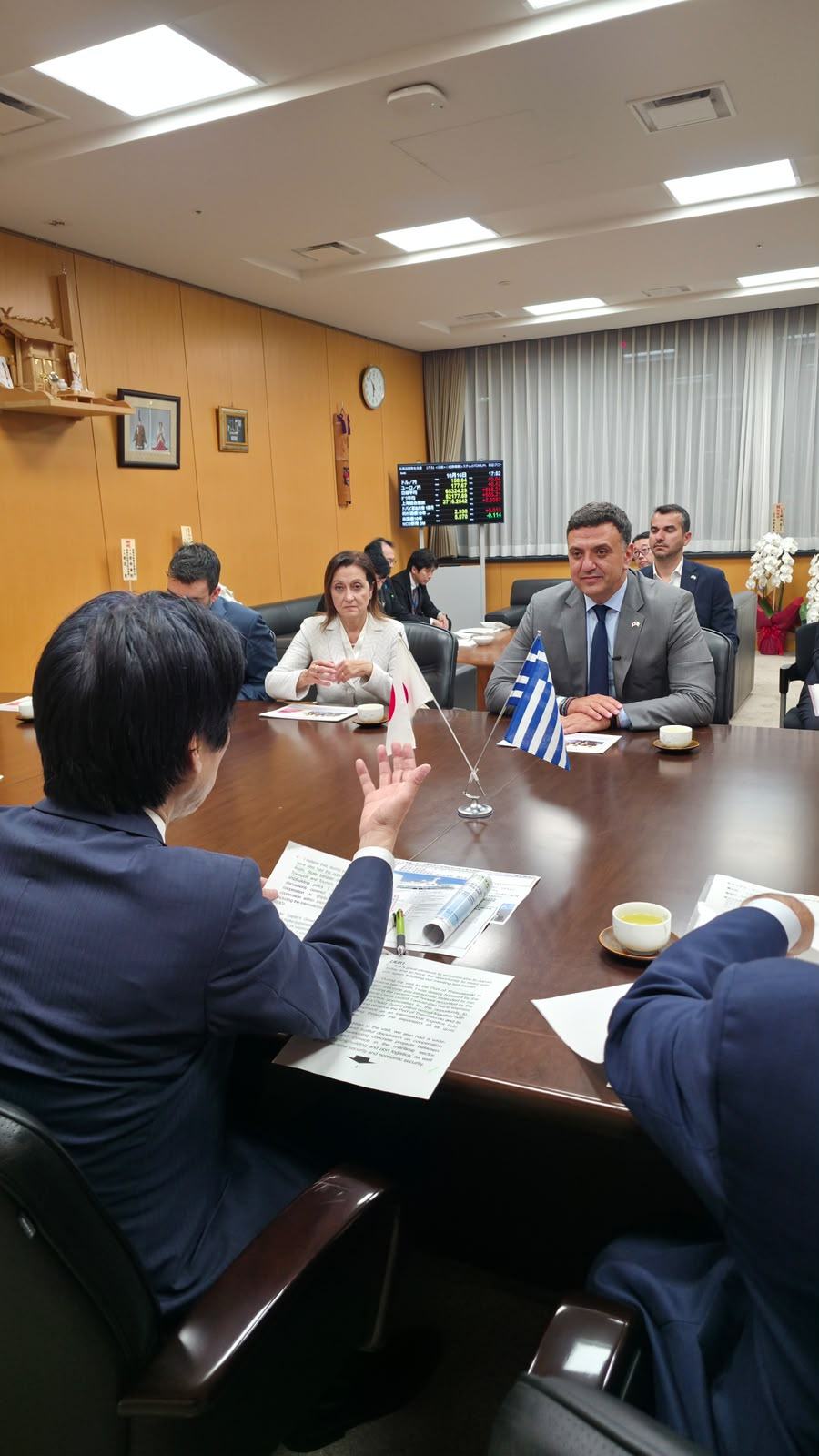
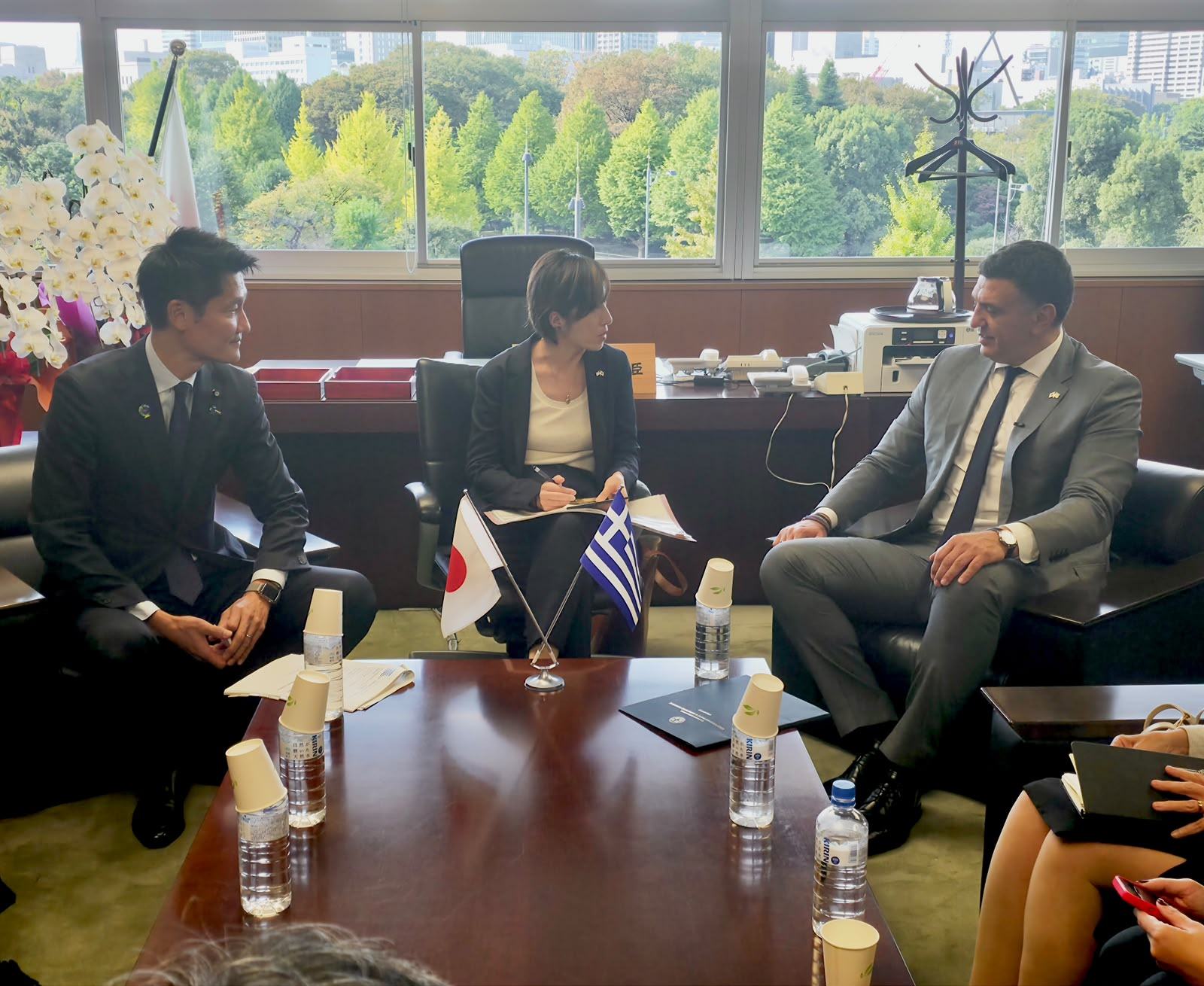
The Minister of Maritime Affairs and Insular Policy, Vassilis Kikilias, held meetings in Tokyo with Japan’s Minister for Development Strategy, Minoru Kiuchi; Vice-Minister of Land, Infrastructure, Transport and Tourism, Kentaro Asahi; and Chairman of the Japan–Greece Parliamentary Friendship Group, Taro Kono. The meetings took place as part of his visit to Tokyo and focused on deepening bilateral relations, strengthening maritime cooperation, and discussing international developments affecting maritime safety.
During his meeting with Minoru Kiuchi, the two ministers expressed their concerns about the ongoing threats to maritime safety in the Strait of Hormuz and their impact on international maritime trade. They also continued discussions initiated in Thessaloniki in September, during the Thessaloniki International Fair (TIF), regarding deeper cooperation in port logistics and shipbuilding. Shipbuilding has been included among the 17 sectors of strategic importance identified by the government of Prime Minister Sanae Takaichi.
Emphasising the shared values that unite the two countries and their commitment to international law, the two ministers reaffirmed their common determination to strengthen all aspects of their maritime cooperation, both bilaterally and within the framework of the International Maritime Organization (IMO), where crucial negotiations on the energy transition of the shipping industry are taking place.
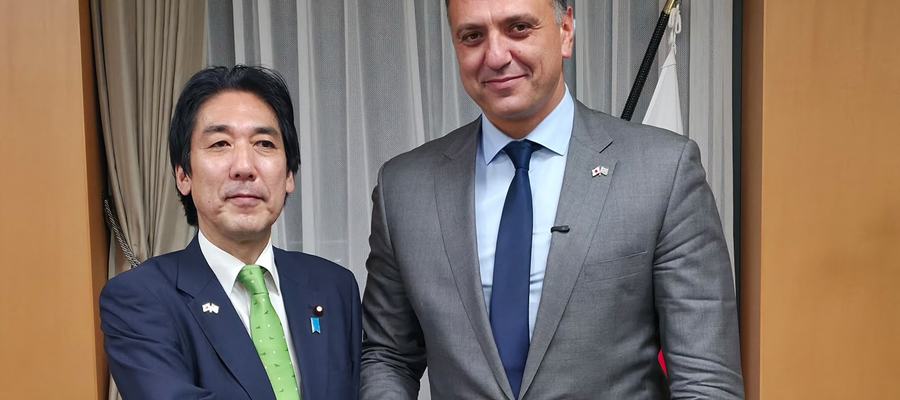
Mr Kikilias also met with Japan’s Vice-Minister of Land, Infrastructure, Transport and Tourism, Kentaro Asahi. During the meeting, both sides acknowledged the long-standing and deep-rooted maritime ties between Greece and Japan, which were forged in the aftermath of the devastation of the Second World War and have remained consistently strong ever since. These ties are reflected in the fact that Japan’s exceptionally high-quality shipyards remain a leading choice for Greek shipowners, who rank second in terms of shipbuilding orders.
Both sides reaffirmed their mutual interest in further expanding bilateral cooperation in shipping and shipbuilding by promoting reciprocal investments. They also expressed interest in operational cooperation between their respective coast guards, as well as collaboration within the IMO.
They stressed that the current challenging geopolitical landscape inevitably affects the shipping industry and jointly condemned attacks against seafarers and international shipping. For his part, Mr Kikilias pointed out that these challenges, combined with the fact that sufficient alternative fuels for shipping are not yet available, make it necessary to ensure fairer treatment for LNG, the only truly viable transitional fuel.
He also underlined that managing this challenge entails a major responsibility, as it will determine whether global energy prices rise and, consequently, the extent to which people’s everyday lives and countries’ ability to remain competitive will be affected. For this reason, he emphasised the importance of further strengthening the existing channels of communication between the two sides on these issues.
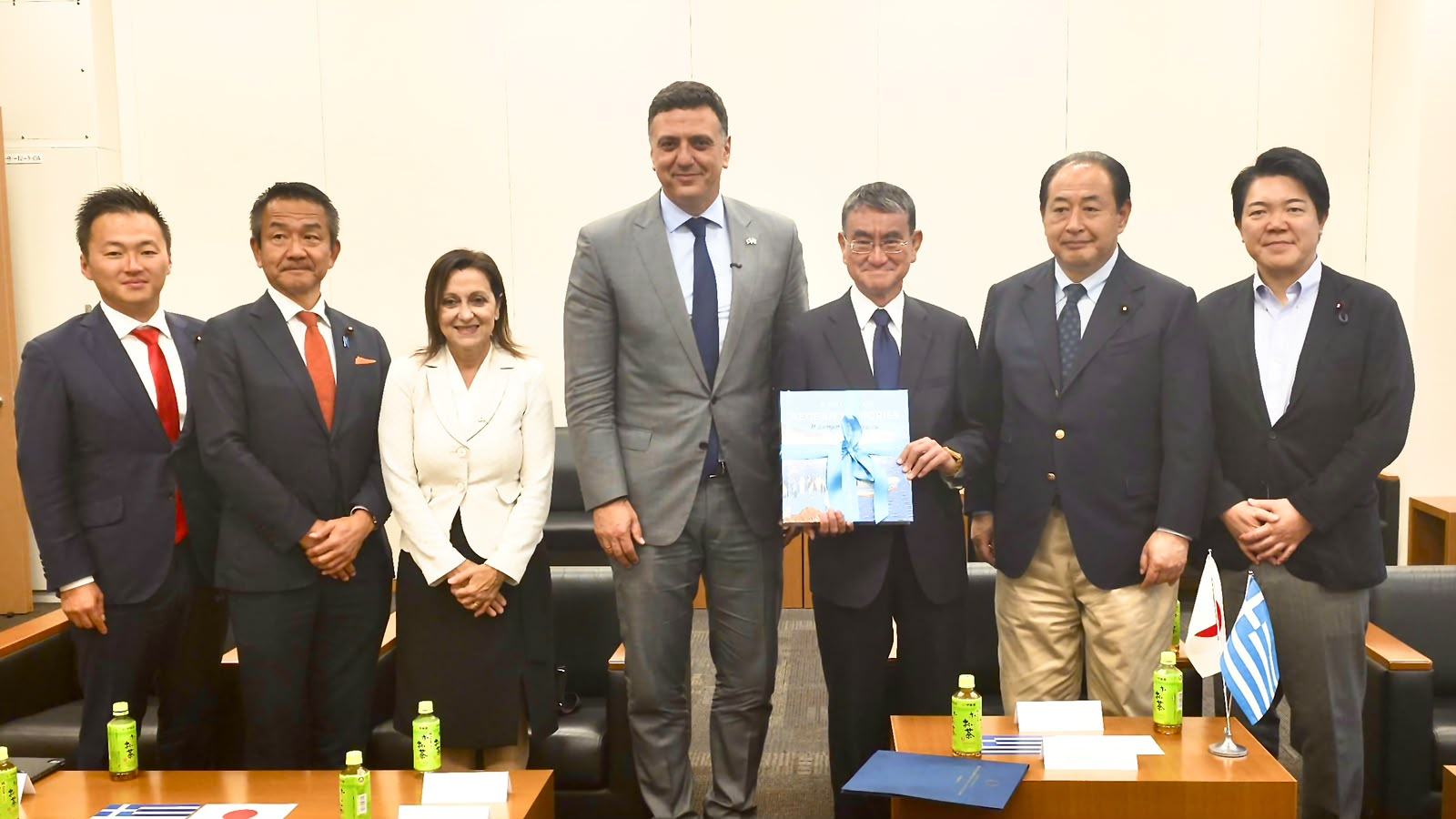
Mr Kikilias also met with Taro Kono, Chairman of the Japan–Greece Parliamentary Friendship Group, who has previously served, among other roles, as Japan’s Minister for Foreign Affairs, Minister of Defense and Minister for Digital Transformation. He also met with members of the group: Kiyoshi Odawara, Vice-Minister of Defense; Nobuhide Minirikawa; Daisuke Nishino; and Shin Tsuchida.
They exchanged views on the political situation in Europe, the conflict in the Strait of Hormuz and the war in Ukraine, as well as broader issues of concern to both countries. These included declining birth rates, protecting minors from exposure to online content, cooperation in civil protection and, in particular, earthquake preparedness and planning, as well as opportunities to increase tourist flows between the two countries.
With regard to shipping, they agreed to pursue closer cooperation, given the long-standing relationship of mutual respect and appreciation between Greece and Japan and the contribution of the Greek-owned fleet to Japan’s energy supplies.
Σχετικές εικόνες