V. Kikilias at the Hellenic Chamber of Shipping’s 90th anniversary: “Shipping gives Greece international reach”
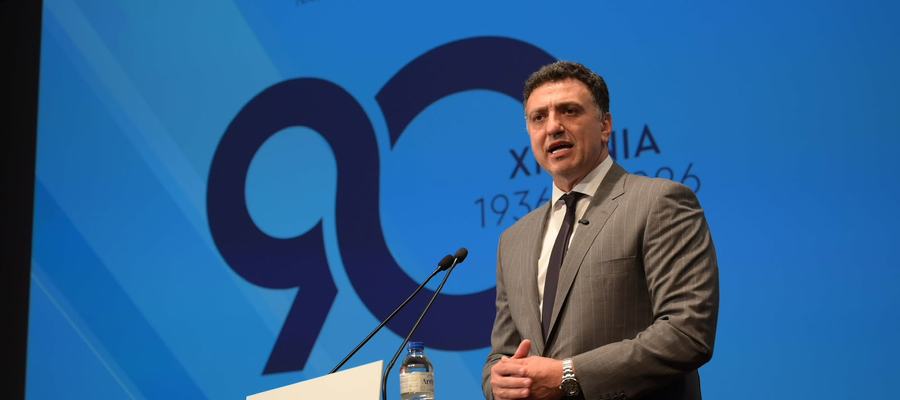
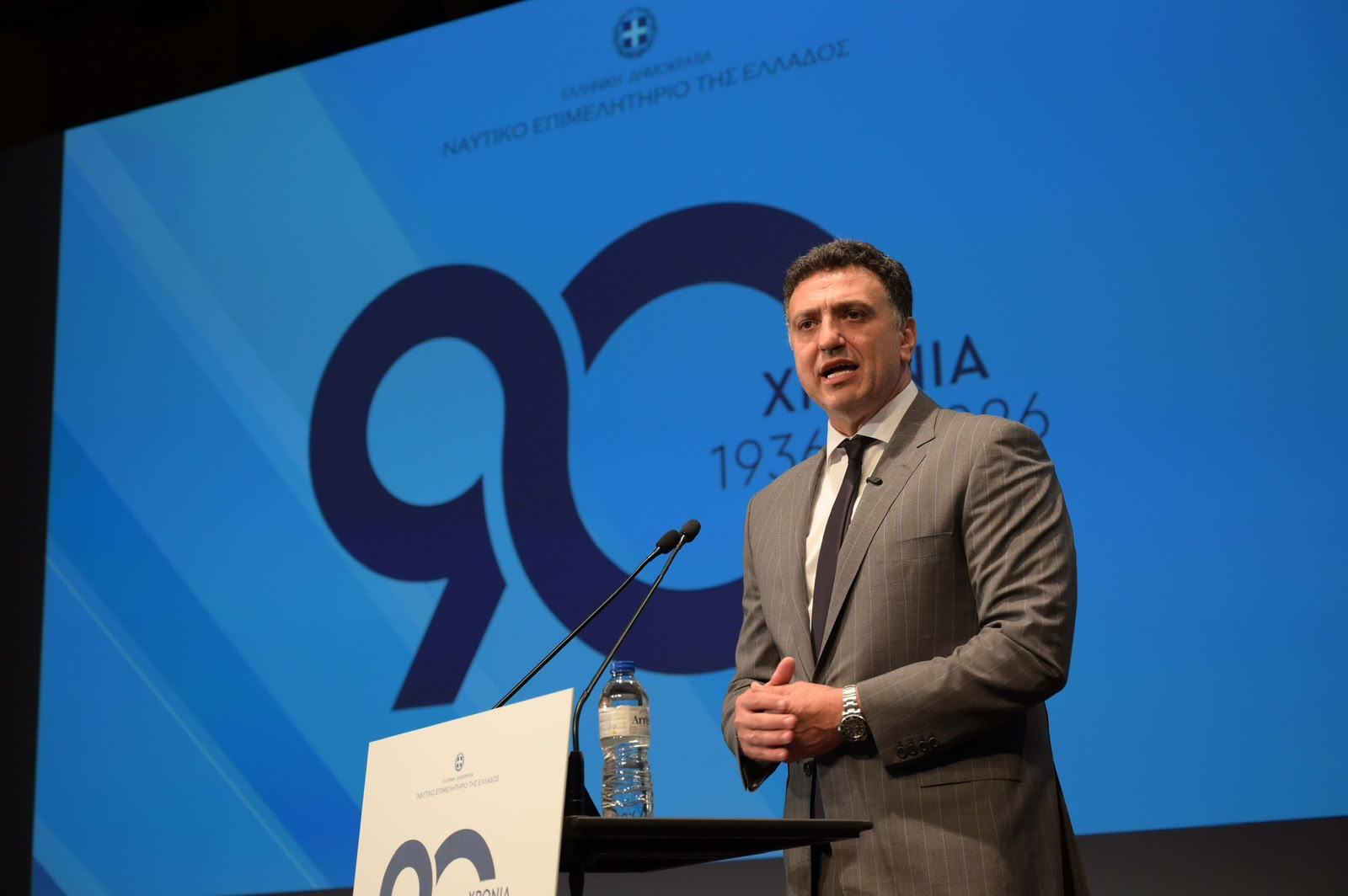
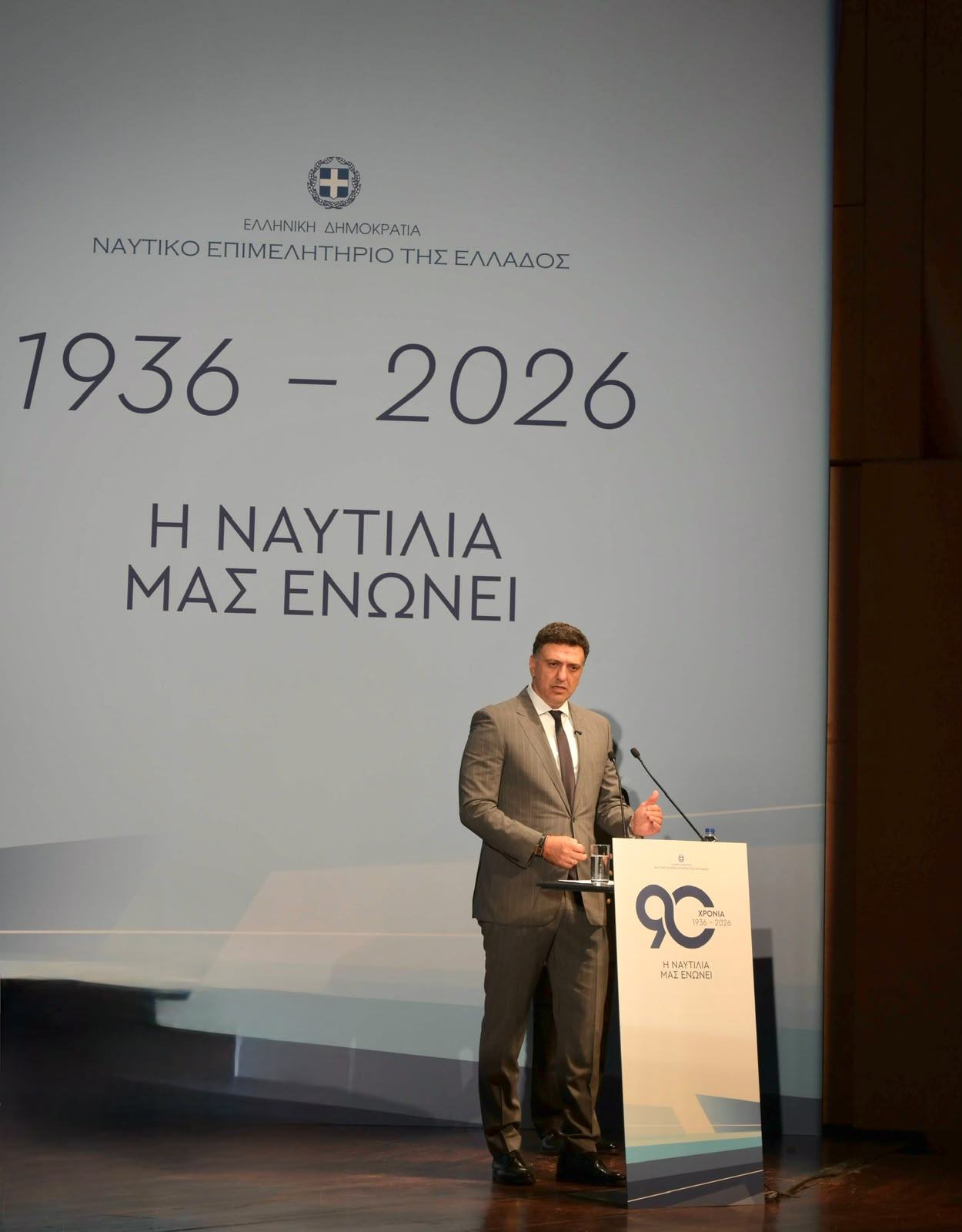
The Minister of Maritime Affairs and Insular Policy, Vassilis Kikilias, spoke about the strategic importance of Greek shipping to the country, the opportunities it creates for the younger generation and the Hellenic Chamber of Shipping’s longstanding contribution during his address at the Chamber’s 90th anniversary event. Mr Kikilias represented the Prime Minister at the event.
Mr Kikilias reflected on the Chamber’s journey from its establishment in 1936 to the present day, and on its role as an adviser to the State on shipping matters. “We look with pride at the 90 years of this journey,” he said, adding that “we are mindful of our own responsibility for the future of Greek shipping.” He also thanked the Chamber’s President and the organisation for their excellent cooperation and continued support for the State.
Highlighting the international standing of the Greek-owned merchant fleet, the Minister underlined that Greek shipping strengthens Greece’s presence and bargaining power on the international stage, serving as a driver of economic growth, geopolitical influence and strategic strength.
“The strength of a nation is not measured solely by its military power. It is also measured by its presence at sea, where almost 80–90% of global trade is carried. It is measured by international trade and global supply chains. We are very proud of our Greek-owned merchant fleet, one of the strongest in the world. It is a driver of economic growth, geopolitical influence and strategic strength. Shipping gives Greece international reach far greater than its geographical size and population would suggest,” he said.
Speaking about his international contacts, including his recent visits to Japan and China, Mr Kikilias noted that “our shipping industry is strong everywhere.” He also emphasised the importance of including shipping in the Greece–United States Strategic Dialogue.
The Minister also spoke about the broader maritime ecosystem that has developed in Piraeus. He noted that it comprises more than 1,800 companies and around 200,000 people working in sectors connected with port infrastructure, transport and supply chains, shipbuilding and ship repair, energy, marinas and marine tourism.
He placed particular emphasis on the need to introduce young people to the career opportunities offered by shipping and the industries that have grown around it. Referring to the career choices available to the younger generation, he said that current economic conditions make it essential to highlight new prospects for young people.
“It is the responsibility of a public servant, as a guardian of the citizens’ interests, to find opportunity where there is difficulty, and, amid rough seas and bad weather, to see the harbour and the island where people can find shelter. We have an obligation to show young people and the next generation the way forward once again,” he stressed.
In this context, he referred to the career opportunities available at sea, from shipmasters and engineers to other onboard specialities, as well as professions connected with ports, energy, tourism and maritime law. As he noted, the growth of the sector can give young people the opportunity to build their lives and families in Greece.
In closing, the Minister thanked the Union of Greek Shipowners, the Hellenic Chamber of Shipping and maritime organisations for their cooperation, recognising their contribution to supporting the country and society during both the pandemic and the energy crisis. “I am certain that, whatever difficulties lie ahead, we will overcome them together once again,” he concluded.
Σχετικές εικόνες