V. Kikilias in Tokyo: “Greece and Japan account for 32% of the global fleet and can shape developments in global shipping”
The aim is to benefit both countries’ economies and societies, with an emphasis on keeping goods and energy prices and inflationary pressures in check
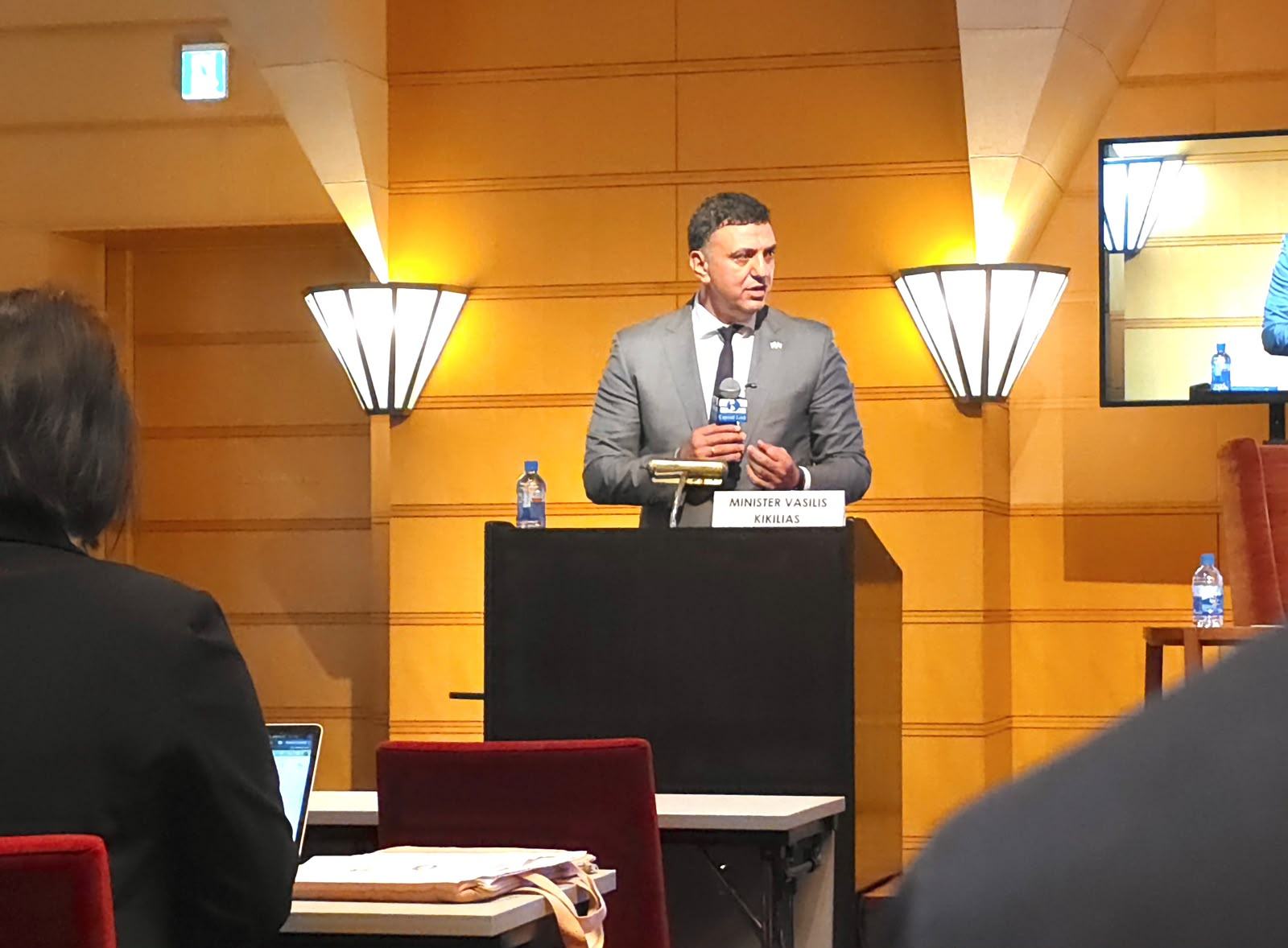
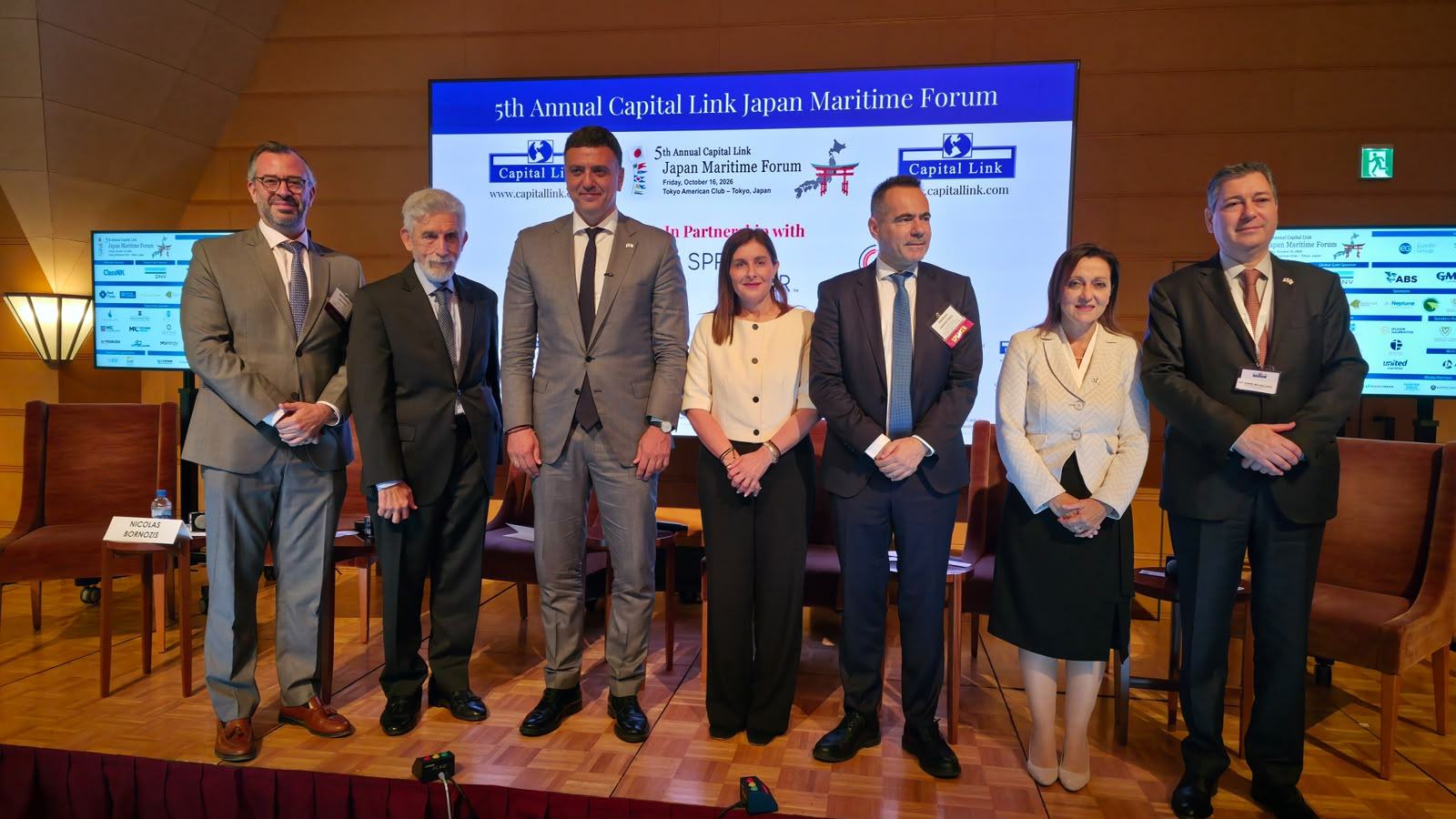
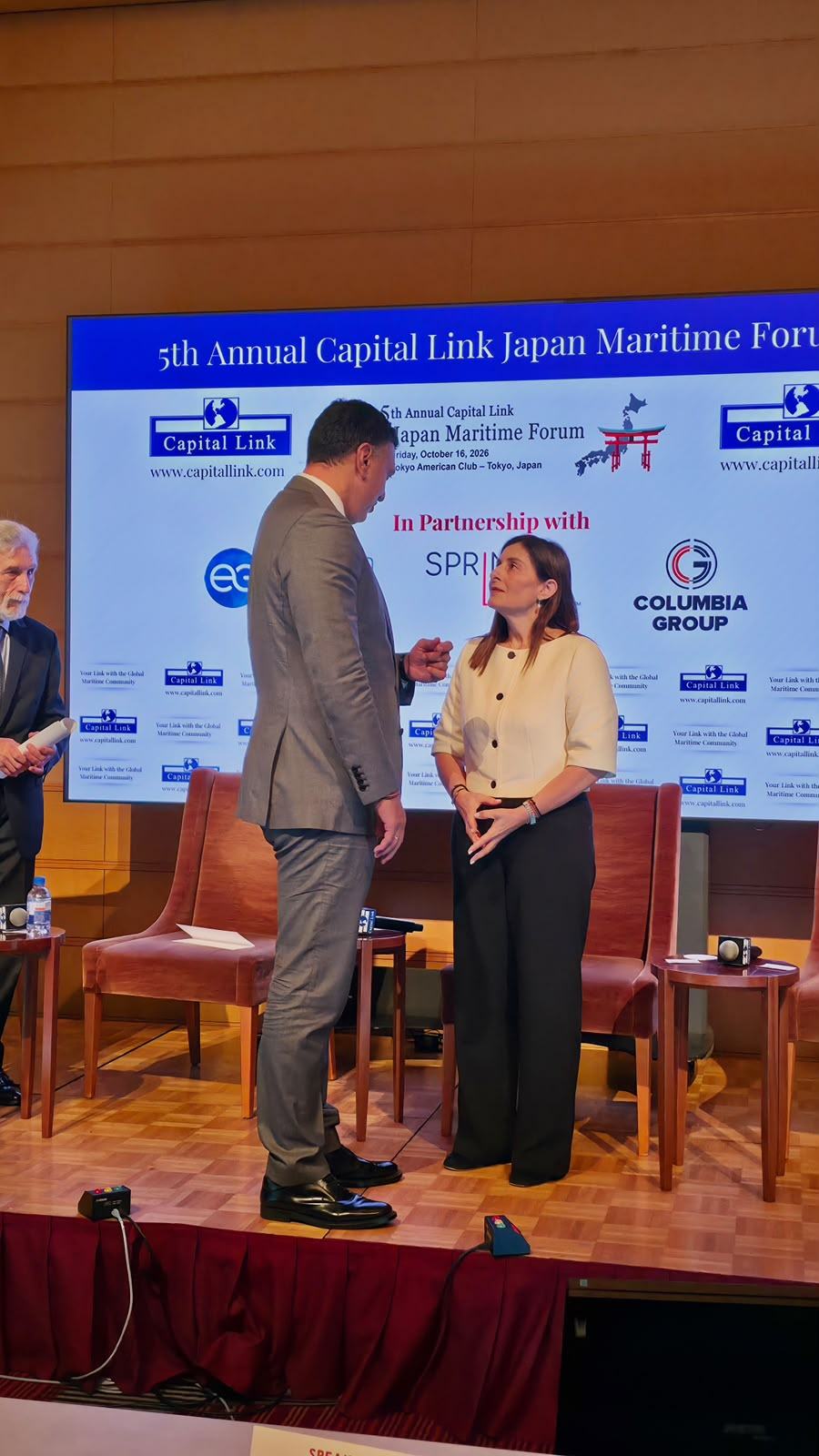
Minister of Maritime Affairs and Insular Policy Vassilis Kikilias highlighted the importance of cooperation between Greece and Japan in shaping developments in global shipping, safeguarding free trade and protecting economies and societies from the impact of international crises, in his address to the Capital Link Japan Maritime Forum in Tokyo.
The Minister stressed that Greece and Japan, which together account for approximately 32% of the global merchant fleet, have the ability to shape developments in global shipping. He noted that although Greece represents just 2% of Europe’s GDP, it accounts for 20% of the global fleet, while Japan accounts for approximately 12%. “Global shipping carries 80% to 90% of world trade, while in Japan’s case, 97% of its imports and exports are transported by sea. Whatever happens at sea has a direct impact on daily life, the global economy, national economies, what happens in the food supply chain and in supermarkets, and the everyday lives of ordinary families. So the decisions we make and how we can work together to shape developments are now more critical than ever,” he said.
On international developments, he said: “We have wars in the heart of Europe and in the Middle East, inflation, and high energy and goods prices. And right now, there is no prospect of an immediate end to the wars. Japan is the world’s fourth-largest economy, yet it too faces problems, depending on how events unfold. We know that conditions will become extremely difficult. We therefore need to coordinate our efforts and engage in discussions and negotiations on global trade.”
“If, in this very difficult international environment, you also factor in the discussions held at the IMO over recent months on the Net Zero Framework, the picture becomes even more complex. We were the ones who took the lead in raising questions and discussing the pace at which we should move towards a greener, better planet — the planet we owe it to our children to leave them. Of course, that is the goal. That is where we all want to get to. But the transition must proceed at a pace that societies and economies can withstand,” Mr Kikilias said. He noted that “so far, alternative fuels meet just 0.5% of global needs. We say that we will ultimately reach our goal, and we must take steps in that direction. But we must move forward with societies and people on board. Because the average Japanese family, the ordinary Japanese citizen, must be able to go to the supermarket and buy what they need, or secure energy for the winter. And that applies to everyone in the world, including Greeks.”
In this context, addressing representatives of the shipping industry, he noted that “the shipping industry, shipowners, shipbuilders, traders, everyone working in and around the sector, masters, engineers and seafarers are inseparably linked to society.”
On the historic ties between Greece and Japan, he stressed: “After the devastation of the Second World War, Greek shipowners had the courage to come here, to Japan, and invest in building their ships in Japanese shipyards. We are here to show that we deeply appreciate this country, respect its people and seek to bring our countries even closer together.”
Σχετικές εικόνες